Discovering Innovative Solutions for Optimal Home Air Flow Systems
Home air flow plays an essential role in keeping health and convenience within living rooms. With improvements in technology, ingenious services are emerging to optimize these systems. Smart ventilation, energy healing ventilators, and progressed filtering are improving exactly how air high quality is taken care of - Home Ventilation Melbourne. However, the assimilation of these technologies increases inquiries concerning their effectiveness and adaptability in varied home settings. What ramifications do these growths hold for future living standards?
The Relevance of Home Ventilation for Health And Wellness and Comfort
Although often forgotten, home air flow plays a necessary duty in keeping both health and wellness and comfort within domestic spaces. Adequate ventilation is important for the blood circulation of fresh air, which assists to thin down indoor toxins such as volatile natural compounds, allergens, and smells. Without proper air movement, these impurities can collect, leading to respiratory system problems and various other illness. On top of that, reliable air flow contributes to managing moisture degrees, stopping mold and mildew development and structural damage. By making sure a well balanced exchange of air, locals can appreciate a more enjoyable indoor atmosphere, enhancing overall health. Appropriate ventilation can enhance energy performance by minimizing the requirement for excessive heating or cooling, inevitably resulting in lower energy costs and a more lasting living room.
Smart Ventilation Equipments: Harnessing Technology for Performance
Smart ventilation systems stand for a significant innovation in home air management, leveraging IoT combination for improved control. These systems not only promote power performance but additionally offer remote monitoring capacities, enabling customers to optimize their indoor atmospheres flawlessly. By harnessing innovation, homeowners can accomplish better air quality while decreasing energy usage.
IoT Assimilation Advantages
How can IoT combination transform traditional air flow systems into extremely effective wise remedies? By incorporating Internet of Points (IoT) modern technology, air flow systems can achieve real-time monitoring and control, improving their operational efficiency. Sensors put throughout a home accumulate information on air moisture, temperature level, and quality, permitting automated adjustments based on current problems. This instant responsiveness causes enhanced indoor air quality and comfort degrees. In enhancement, IoT-enabled systems can interact with various other clever home gadgets, developing a natural ecosystem that maximizes power usage. Individuals can also gain access to and manage their air flow systems remotely through smart devices, offering benefit and increased control. On the whole, IoT combination stands for a significant development, bringing intelligence and flexibility to standard ventilation techniques.
Energy Performance Features
As energy performance ends up being an important focus in modern-day home style, advanced air flow systems offer innovative attributes that greatly lower energy consumption. These wise ventilation systems use sensors to check indoor air moisture, temperature level, and high quality levels, automatically readjusting air flow to keep optimal problems. By utilizing power recovery ventilators (ERVs), they record and reuse energy from outgoing air, decreasing home heating and cooling demands. Variable rate fans additionally boost efficiency by changing their procedure based upon real-time needs, protecting against unneeded power waste - Home Ventilation Melbourne. In addition, programmable timers and occupancy sensors assure that air flow runs just when necessary, contributing to reduced utility bills. Collectively, these attributes stand for a significant innovation in creating lasting and energy-efficient living environments
Remote Monitoring Capabilities
What benefits do remote tracking abilities give contemporary home air flow systems? These abilities enable homeowners to track indoor air top quality and system efficiency in actual time, enhancing overall effectiveness. By offering data on temperature level, air, and moisture pollutants, smart ventilation systems allow proactive changes, guaranteeing optimal conditions. In addition, remote surveillance assists in maintenance notifies, identifying possible problems before they rise, consequently minimizing repair service costs and downtime. Users can access system analytics via mobile applications, enabling convenient control also when far from home. This technological integration not just advertises energy efficiency yet likewise adds to a much healthier living setting. Inevitably, remote tracking capabilities stand for a substantial innovation in home ventilation, aligning with the expanding demand for clever home innovations.
Energy Healing Ventilators: Taking Full Advantage Of Energy Cost Savings
Power healing ventilators (ERVs) play a vital role in boosting home energy performance through efficient warmth exchange. By transferring thermal power between incoming and outgoing air, these systems substantially decrease overall energy consumption. This cutting-edge technique not only preserves interior air high quality yet also adds to lower utility costs.
Performance of Warmth Exchange
While maintaining indoor air top quality is vital for wellness and comfort, the efficiency of warmth exchange in power healing ventilators (ERVs) plays an important function in taking full advantage of power financial savings. The primary function of an ERV is to transfer warm and wetness in between inbound and outgoing air streams, which optimizes indoor problems while decreasing power loss. High-efficiency heat exchangers can significantly minimize the lots on heating and cooling systems by reclaiming energy that would otherwise be lost. The performance of these systems is often measured by their core temperature level exchange rates, which can vary based on design and materials used. By concentrating on innovative warm exchange modern technologies, home owners can boost their air flow systems, causing enhanced energy effectiveness and expense reductions gradually.
Minimized Energy Consumption
Reducing power intake is a vital benefit of energy healing ventilators (ERVs), as they effectively recycle thermal power from worn down air. By moving heat between outgoing and inbound jet stream, ERVs lessen the requirement for extra heating or cooling, bring about considerable energy financial savings. This procedure not only lowers energy costs yet also reduces the environmental effect connected with greater energy usage. Furthermore, ERVs preserve regular indoor air quality without endangering thermal comfort, producing a balanced living view setting. By integrating ERVs right into home ventilation systems, house owners can achieve better energy effectiveness, enabling a lasting approach to interior air management while taking advantage of lower power bills. Inevitably, ERVs represent an engaging service for energy-conscious customers.
Advanced Filtration Technologies for Cleaner Indoor Air
As indoor air high quality becomes progressively identified as a critical element of wellness and wellness, progressed filtration innovations are becoming important tools for making certain cleaner environments. These innovations consist of high-efficiency particle air (HEPA) filters, activated carbon filters, and electrostatic precipitators, each developed to properly capture airborne contaminants, irritants, and volatile organic compounds (VOCs) HEPA filters can catch fragments as small as 0.3 microns, significantly lowering irritants like dust mites and family pet dander. Activated carbon filters master adsorbing odors and chemical vapors, adding to a fresher interior ambience. Additionally, electrostatic precipitators use electrical fees to eliminate fragments, giving an energy-efficient alternative. By integrating these sophisticated filtering systems, home owners can enhance indoor air quality and promote healthier home.
The Role of Sensors in Optimizing Airflow and High Quality
Exactly how can sensors transform the management of indoor air quality? Sensors play a necessary duty in enhancing air movement and boosting interior settings. By constantly keeping an eye on variables such as moisture, temperature level, and degrees of pollutants, they provide real-time data that informs ventilation systems. This information enables computerized changes to air movement, making certain ample blood circulation and decreasing the build-up of contaminants. In addition, advanced sensors can spot specific air top quality problems, triggering prompt actions to improve convenience and health and wellness. The integration of these tools right into ventilation systems permits an extra receptive and efficient management approach, lowering energy intake while keeping suitable air quality. Inevitably, sensors work as an essential part in producing healthier indoor rooms through specific air flow law.
Integrating Air Flow With Smart Home Equipments
While numerous property owners look for benefit and efficiency, incorporating ventilation systems with wise home technology uses an ingenious remedy to taking care of indoor air top quality. By connecting air flow systems to smart home hubs, homeowners can automate air high quality tracking and control airflow based upon real-time data. These systems can react to adjustments in humidity, temperature level, and contaminant levels, guaranteeing excellent indoor problems. Smart websites thermostats can function in tandem with ventilation systems to enhance power performance, minimizing prices while keeping convenience. Property owners can likewise from another location regulate their air flow setups via mobile applications, providing flexibility and peace of mind. Eventually, this assimilation not just streamlines monitoring yet considerably enhances the general living setting, making it a valuable addition to contemporary homes.
Future Patterns in Home Air Flow Solutions
Emerging innovations and heightened awareness of indoor air high quality are forming the future of home ventilation services. One significant trend is the integration of expert system, enabling systems to adjust air movement based upon real-time information and occupancy patterns. On top of that, energy recovery ventilators are gaining grip, giving reliable air exchange while reducing energy loss. Making use of green products and styles is likewise increasing, aligning with sustainability objectives. Smart sensing units that monitor toxins and moisture degrees are ending up being requirement, allowing property owners to maintain ideal interior atmospheres. Moreover, scalable and modular systems are emerging, providing personalized choices for various home dimensions and arrangements. Home Ventilation Melbourne. Together, these advancements guarantee to improve convenience, effectiveness, and health in residential areas
Frequently Asked Concerns
How Usually Should I Clean My Home Ventilation System?

The regularity of cleaning up a home ventilation system varies based upon usage and atmosphere. Generally, it is suggested to cleanse the system every three to 6 months to keep suitable air quality click and system performance.
Can Poor Air Flow Cause Mold Growth Indoors?
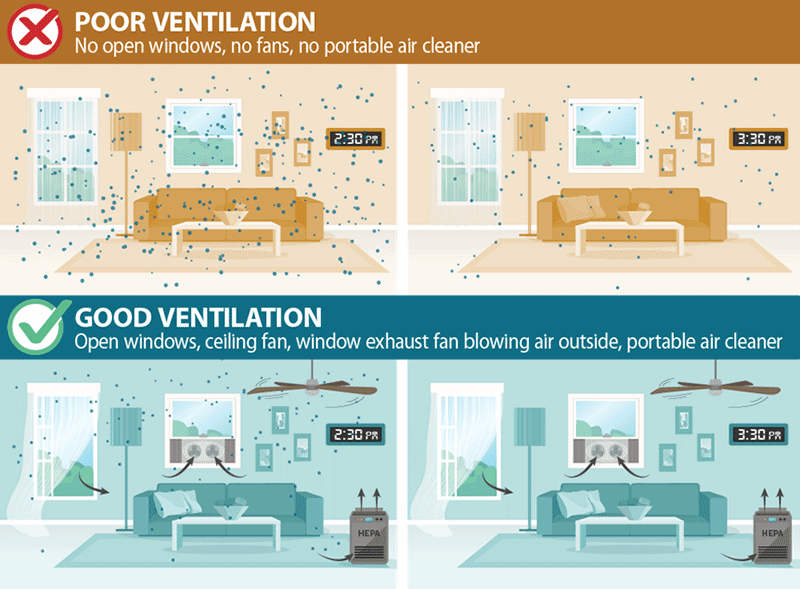
What Are the Signs of Inadequate Home Ventilation?
Indicators of inadequate home air flow consist of consistent smells, increased humidity degrees, condensation on windows, visible mold and mildew development, and a general feeling of stodginess. These signs often suggest that air flow is not enough for maintaining a healthy and balanced interior environment.
Exactly How Can I Boost Ventilation in Older Houses?
To enhance air flow in older homes, one might consider setting up exhaust followers, utilizing natural airflow via home windows, sealing gaps for much better air control, and integrating air cleansers to boost interior air quality successfully.
Are DIY Ventilation Solutions Effective and Safe?
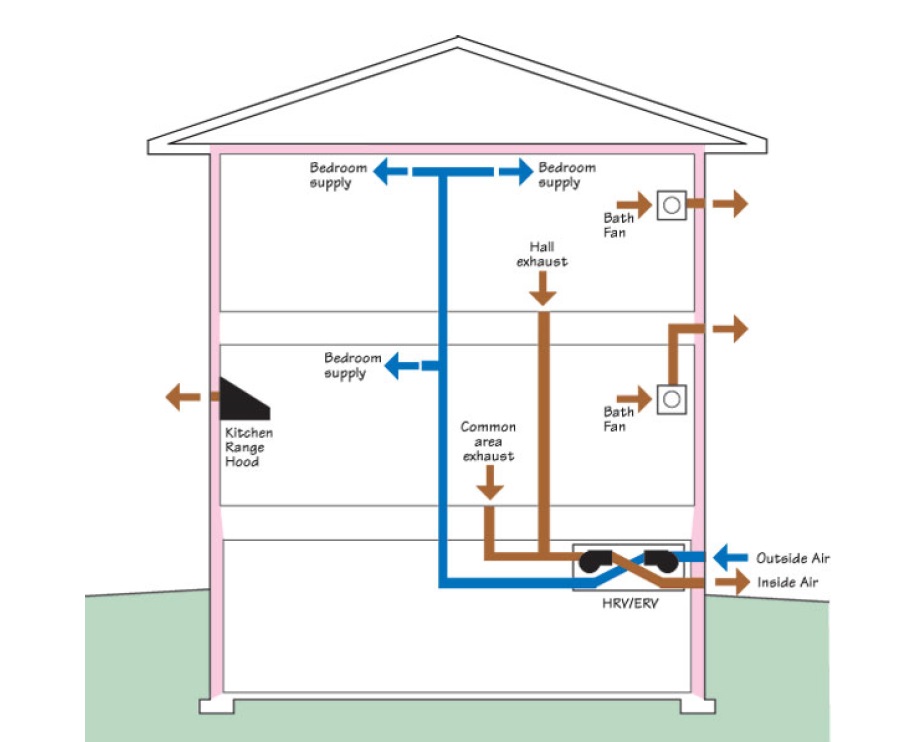
Smart air flow, energy recovery ventilators, and advanced filtration are reshaping exactly how air high quality is handled. As power performance comes to be a crucial focus in modern home style, advanced ventilation systems supply cutting-edge features that considerably reduce power intake. By incorporating ERVs right into home air flow systems, home owners can attain better power performance, enabling a sustainable technique to indoor air administration while benefiting from lower energy costs. The assimilation of these tools right into ventilation systems permits for a much more efficient and responsive management approach, reducing power intake while preserving suitable air high quality. While several home owners look for comfort and efficiency, incorporating air flow systems with smart home technology supplies a cutting-edge service to managing indoor air top quality.